

BUSINESS BREAKFAST MEETING STRENGTHENS PUBLIC–PRIVATE DIALOGUE ON LEGAL REFORMS

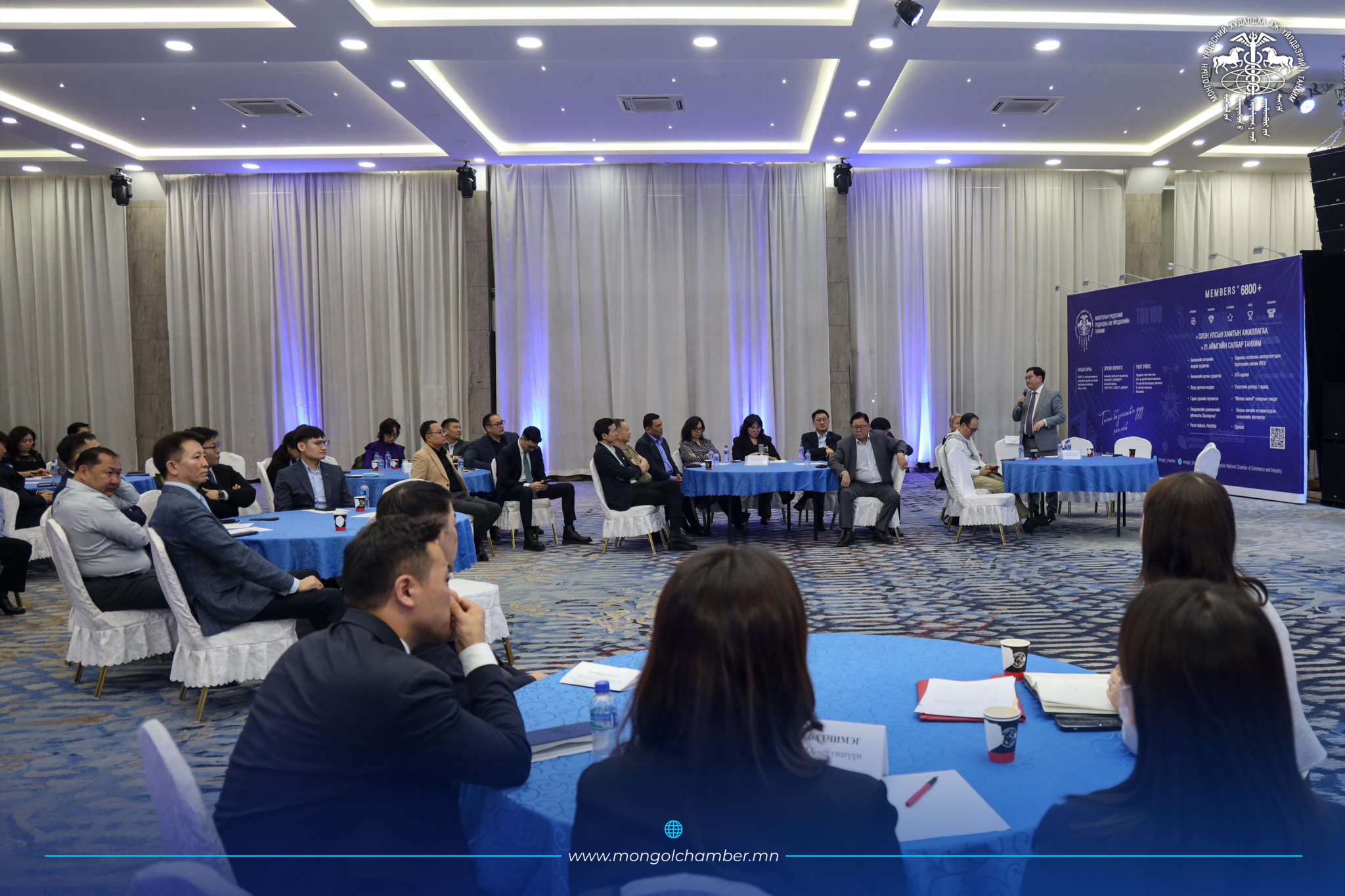
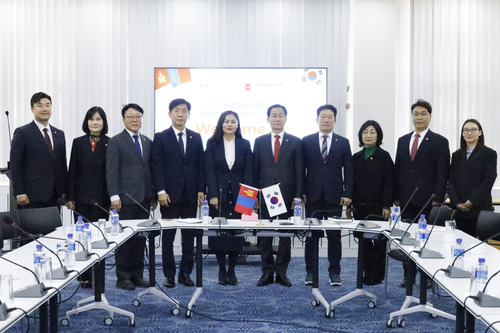
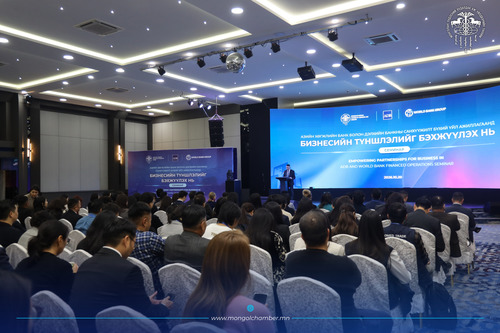
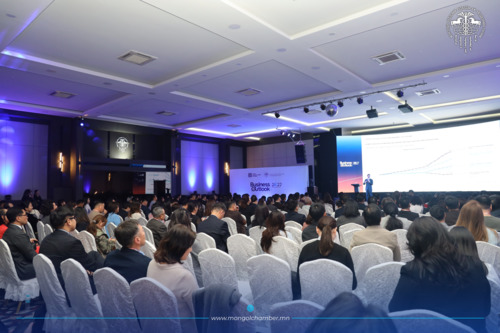
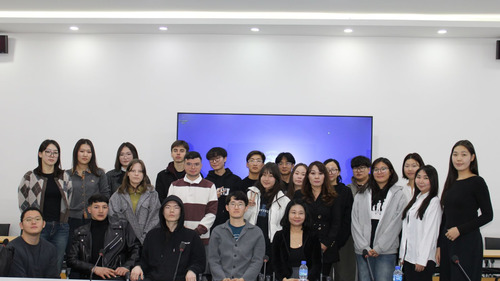
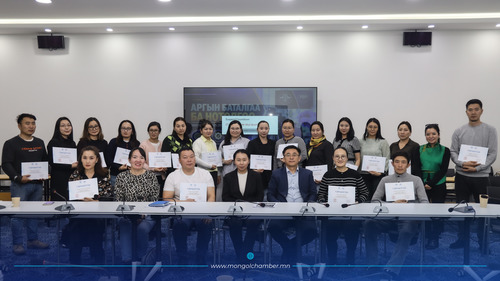
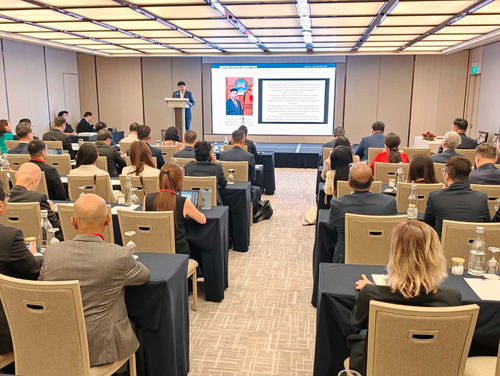
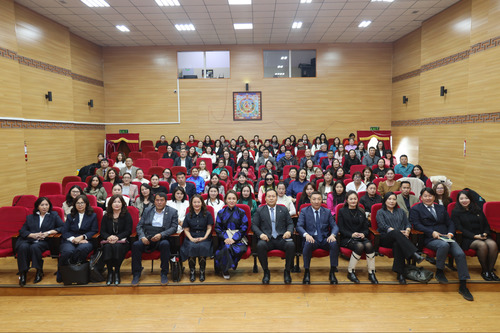
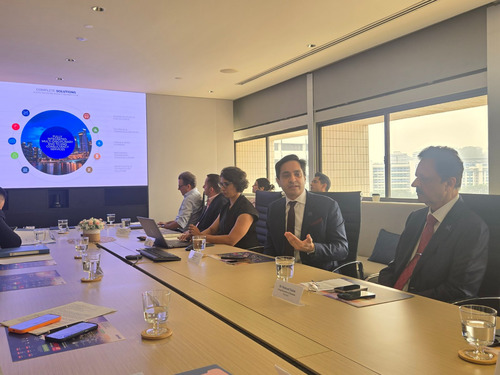
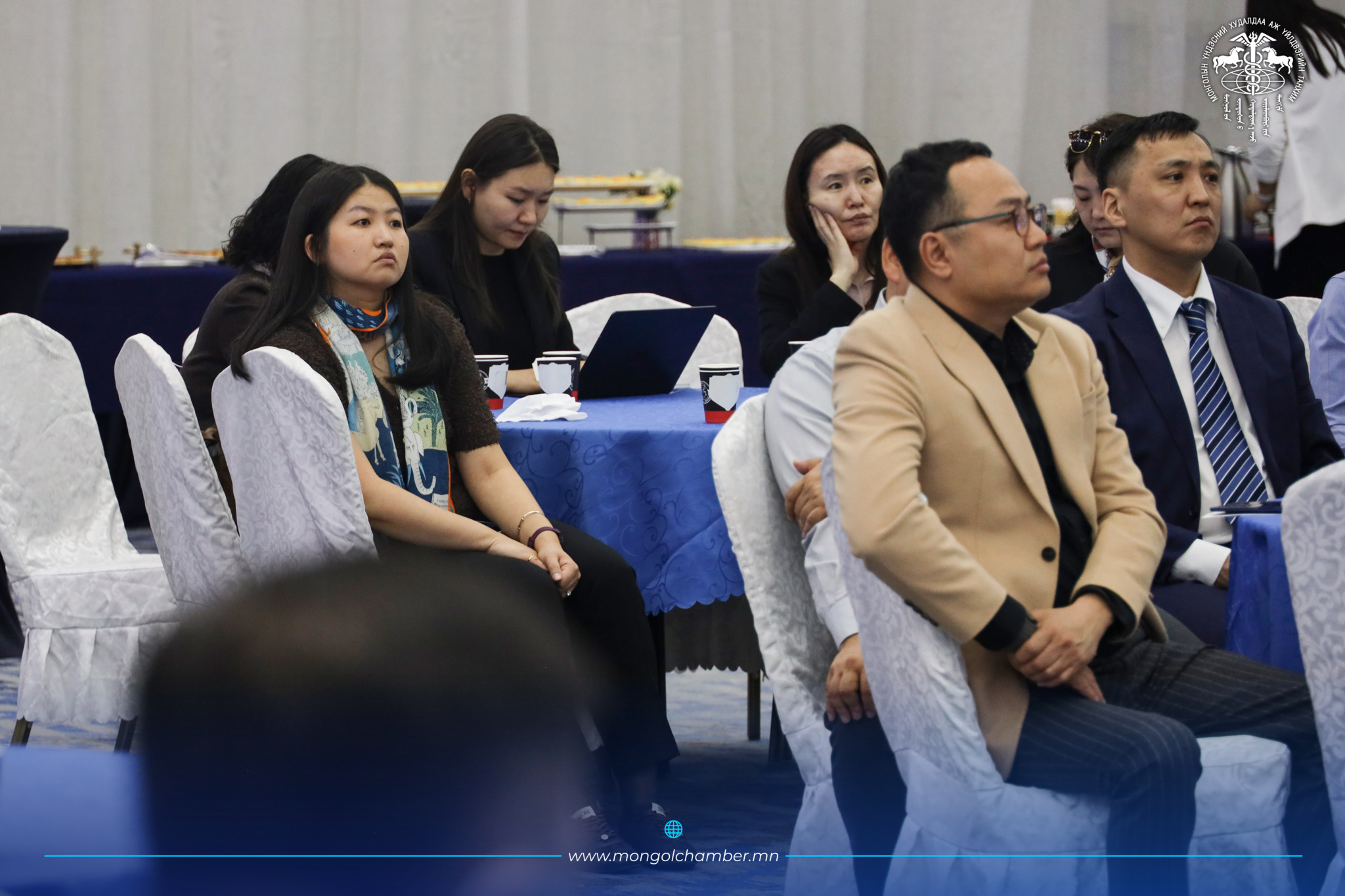
A “Business Breakfast” meeting was successfully held today at the Grand Hall of the Mongolian National Chamber of Commerce and Industry (MNCCI), bringing together members of the Working Group established under Resolution No. 523 of the Speaker of Parliament and representatives of the business community.
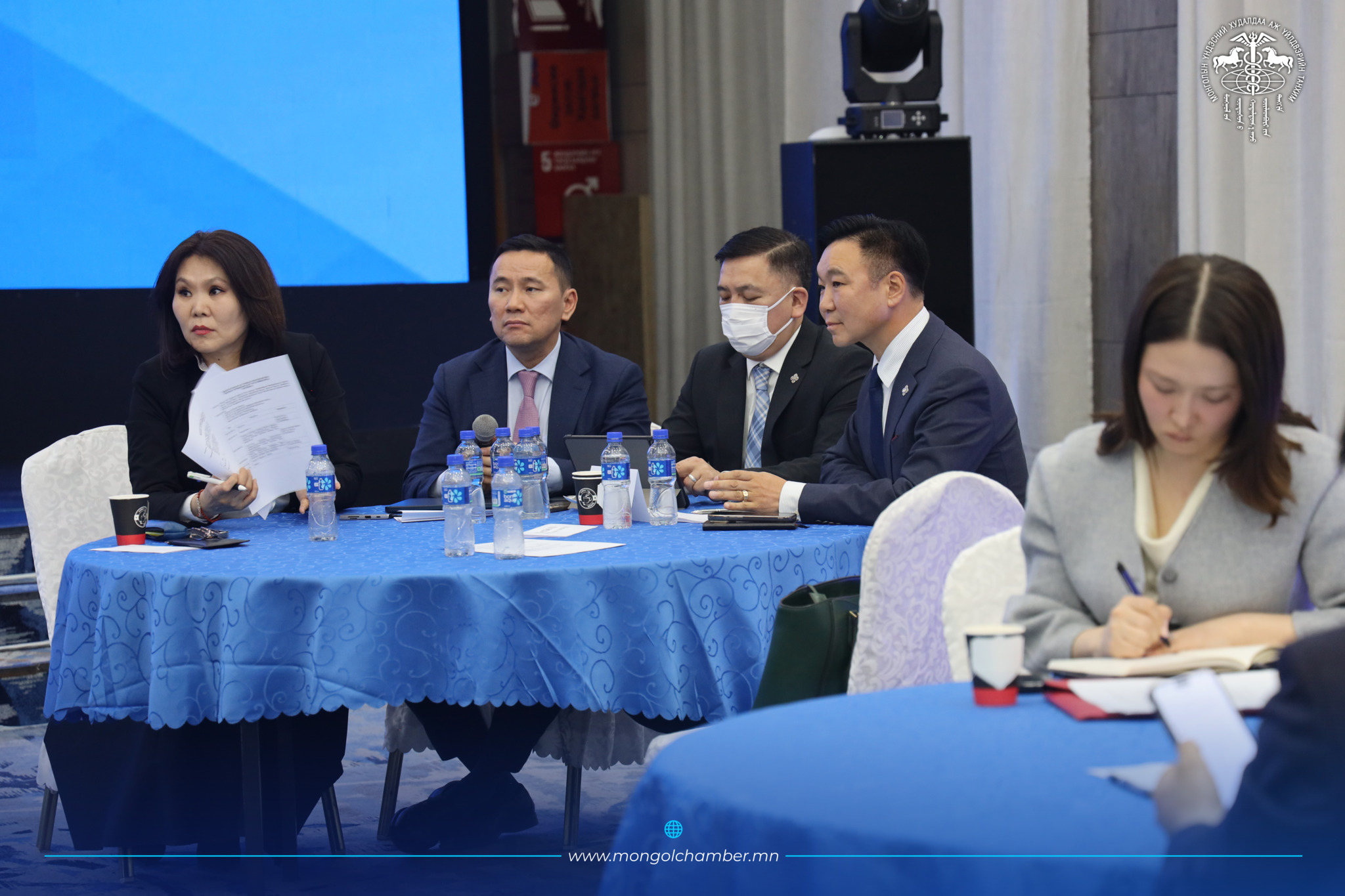
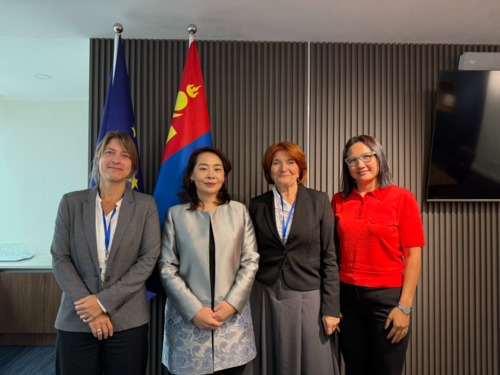
The meeting was attended by Members of Parliament, including D. Enkhtuvshin, B. Tuvshin, R. Batbold, L. Soronzonbold, B. Munkhsoyol, and B. Naidalaa, along with government officials and private sector representatives. Discussions focused on advancing public–private partnerships and key legal reforms to be considered during the upcoming spring parliamentary session.
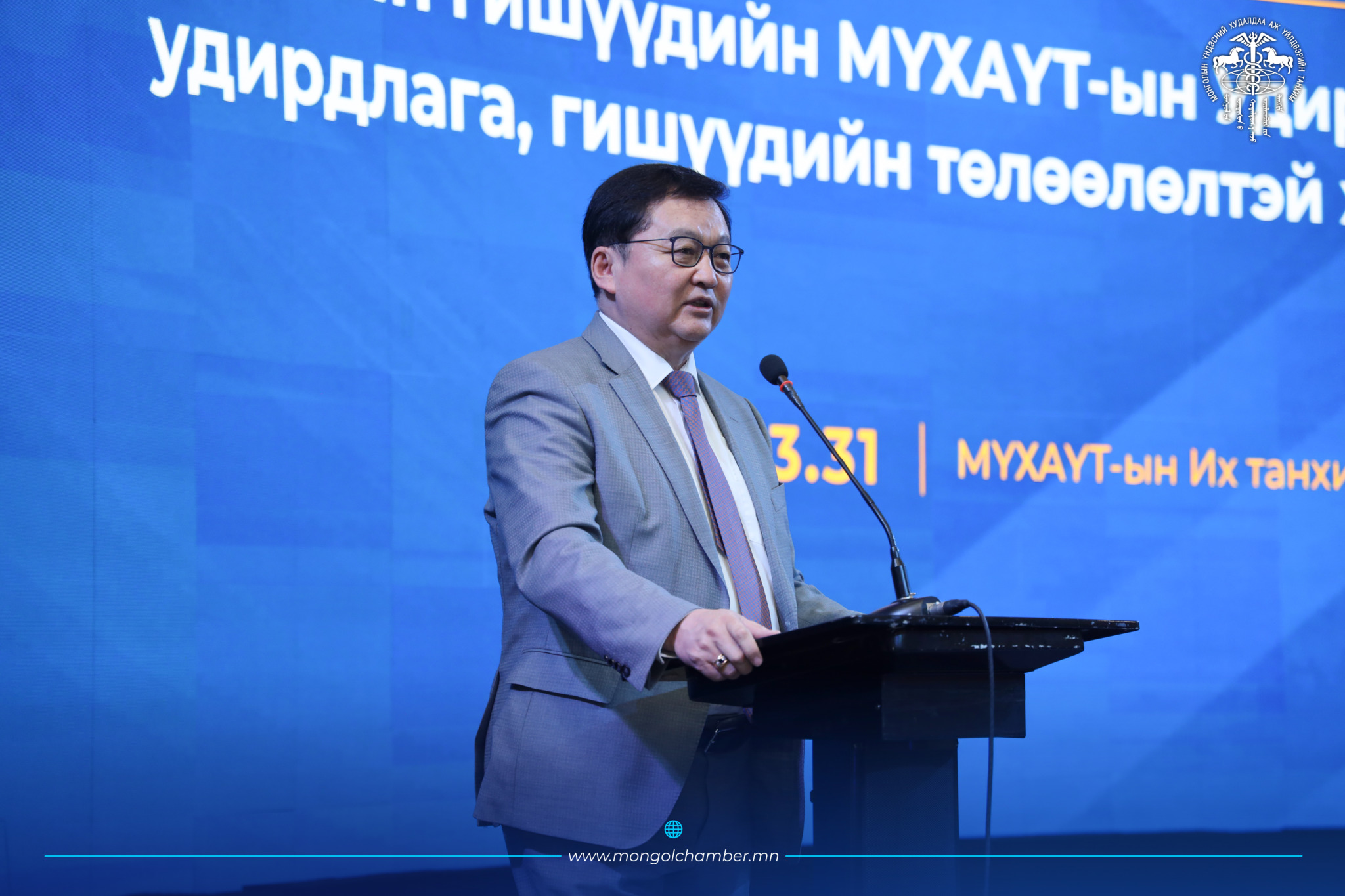
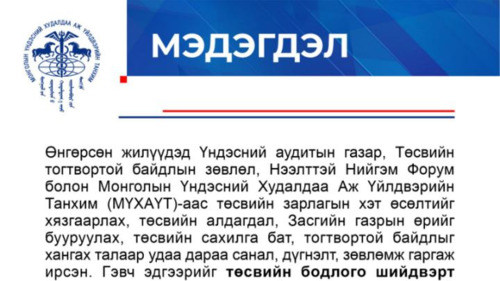
In his opening remarks, MNCCI President B. Lkhagvajav emphasized that improving the legal environment for businesses is a top priority. He highlighted that the withdrawal of previously submitted tax package laws by the Prime Minister provides an opportunity to refine these drafts by incorporating practical feedback from the business sector.
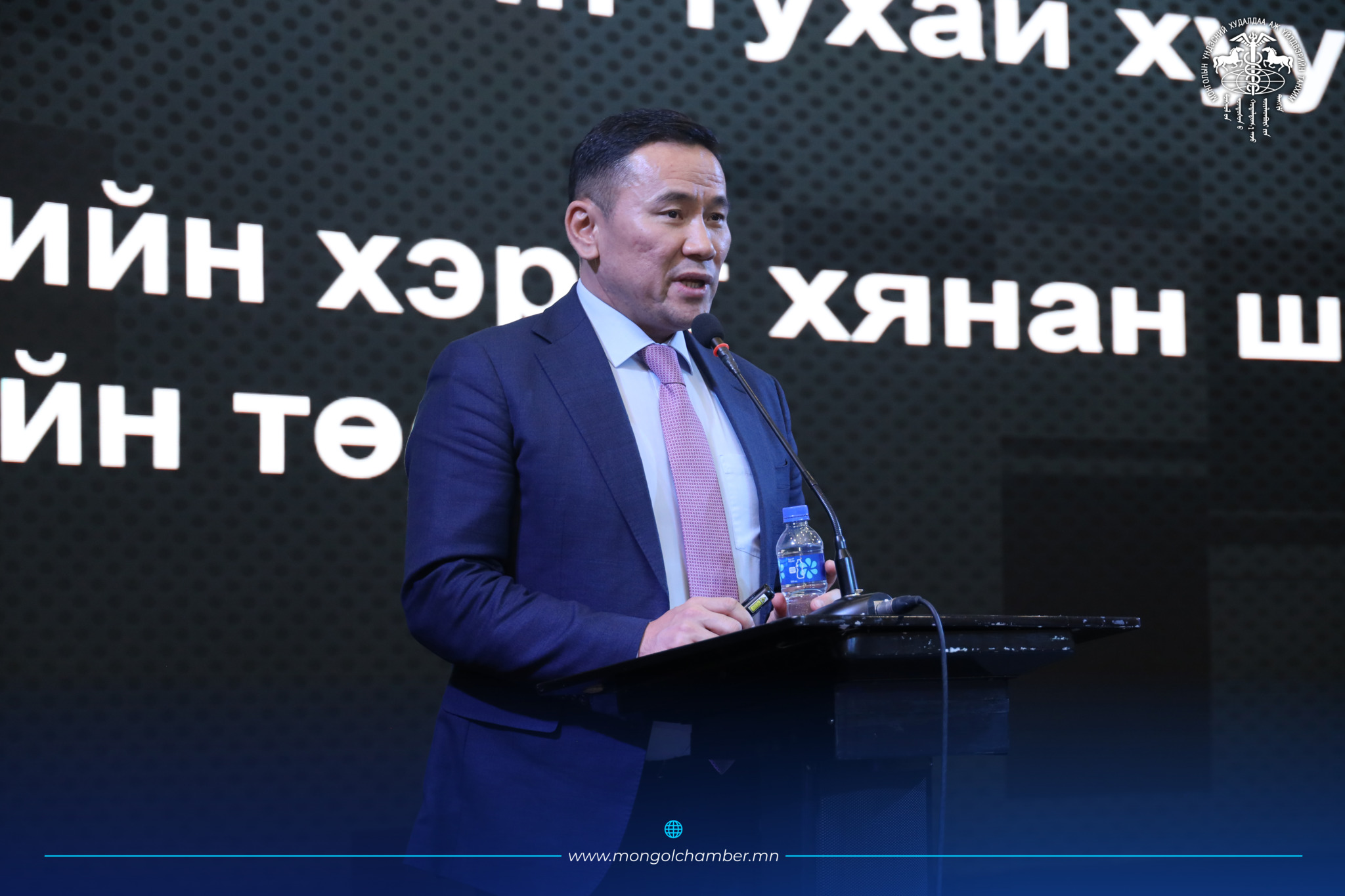
D. Enkhtuvshin, Head of the Working Group, presented the key policy directions of the proposed legislative reforms. He underscored the importance of the revised Law on Chambers of Commerce and Industry, which aims to align Mongolia’s chamber system with international standards. The reform proposes establishing sector-specific chambers and overseas representative offices, enhancing the role of chambers as a bridge between government and industry. It also introduces requirements to ensure professional and politically independent leadership, while enabling certain public services to be delegated to chambers to reduce bureaucracy. In addition, planned amendments to the Law on Permits will reduce the number of licenses from 250 to 205, introduce the “silent approval” principle, and fully digitalize procedures. Reforms to the Criminal Procedure Law will further strengthen property rights by ensuring that decisions on suspending business operations or freezing assets are made exclusively by the courts.
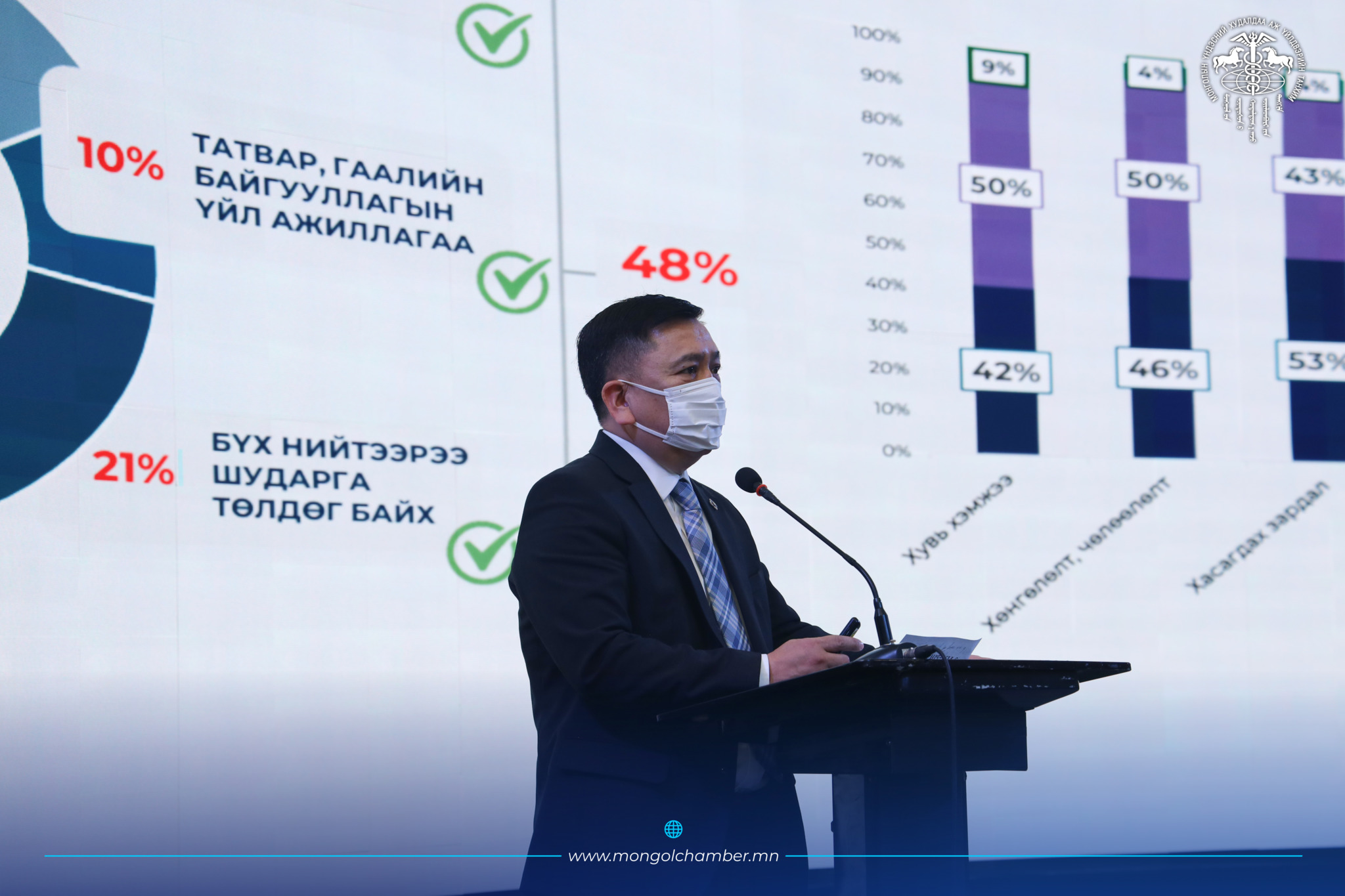
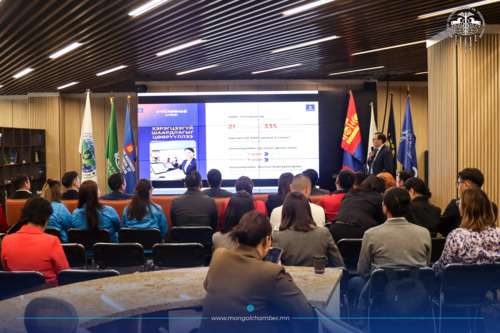
MP L. Soronzonbold presented key elements of the revised tax package, highlighting the “5-10-1” reform principle aimed at stimulating economic activity. Proposed measures include increasing VAT refunds to 5%, introducing a flat 10% personal income tax, and reducing corporate tax for non-mining sectors to 1%. These changes are expected to ease the tax burden, encourage formalization of the economy, and support business growth and job creation.
During the discussion session, business representatives shared challenges related to regulatory burdens, overlapping inspections, and discretionary decision-making by mid-level officials. Participants highlighted the importance of ensuring that legal reforms effectively address these issues, improve investment conditions, and guarantee the protection of property rights.
The meeting concluded with a shared consensus on the urgency of adopting high-quality legal reforms during the spring session to boost economic activity and strengthen the business environment.